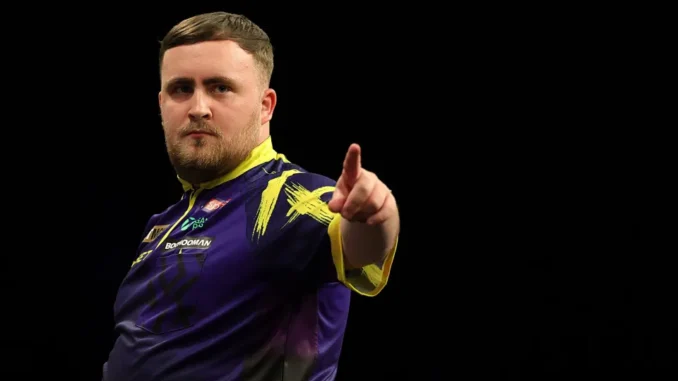
Luke Littler has once again become one of the biggest talking points in the darts world after Austrian darts icon Mensur Suljovic publicly criticised several Premier League stars for skipping ranking tournaments during the busy 2026 season. The comments have sparked widespread debate among fans and players, with many divided over whether the sport’s biggest names should be expected to compete in every major event on the calendar.
The reigning world champion, along with fellow top stars Luke Humphries, Gerwyn Price and Stephen Bunting, chose not to participate in the Austrian Darts Open, one of the latest events on the European Tour circuit. Their absence immediately attracted attention, particularly because the tournament remains one of the most popular stops on the PDC calendar and regularly draws passionate crowds from across Europe.
Suljovic, one of Austria’s greatest darts players and a hugely respected figure within the sport, did not hide his frustration when discussing the issue. The former major finalist believes the increasing number of elite players skipping European Tour and Players Championship events is damaging the competitive balance of professional darts.
Speaking candidly about the trend, Suljovic said: “That’s just not right.”
The Austrian veteran argued that ranking events should remain a priority for all players, regardless of their status or commercial commitments. In his view, tournaments like the Austrian Darts Open are vital not only for fans but also for lower-ranked professionals attempting to build careers and climb the world rankings.
According to Suljovic, the growing divide between elite stars and the rest of the field is becoming more noticeable every season. While top names continue earning massive prize money through Premier League appearances, televised majors and exhibitions, many lower-ranked players rely heavily on regular participation in smaller events simply to maintain financial stability.
“The European Tour is important,” Suljovic insisted as he questioned the direction the modern darts schedule is taking.
His comments quickly spread across social media and the darts community, largely because they involved Luke Littler, who remains the biggest name in the sport following his incredible rise to global fame.
Littler’s journey from teenage sensation to world champion has transformed darts over the past two years. Since exploding onto the scene with his fearless performances and remarkable scoring power, the young English star has attracted millions of new fans to the sport.
At just 19 years old, Littler has already become one of the most recognisable athletes in Britain. His matches regularly attract enormous television audiences, arenas sell out whenever he appears, and his social media popularity continues growing at an astonishing rate.
However, that level of fame also comes with enormous demands away from the oche.
In addition to competing in major tournaments, Littler now faces constant media obligations, sponsorship events, exhibition appearances and promotional commitments. The teenager’s schedule has become one of the busiest in professional darts, particularly during the Premier League season.
The Premier League itself remains one of the most demanding tournaments in world darts. Players travel across different cities and countries every week for several months, often leaving little recovery time between events.
For elite stars competing deep into tournaments regularly, the physical and mental pressure can become exhausting. Long flights, hotel stays, media interviews and nightly performances all combine to create an extremely intense schedule.
Many fans therefore defended Littler and the other absent stars following Suljovic’s criticism. Supporters argued that players cannot realistically compete in every single event throughout the year without risking burnout or fatigue.
Some also pointed out that athletes in other major sports frequently manage workloads by skipping smaller competitions in order to stay fresh for the biggest events.
Still, Suljovic believes professional darts risks losing part of its identity if the biggest stars continue missing important ranking tournaments.
The Austrian icon suggested that some elite players now prioritise exhibition appearances and commercial opportunities ahead of official PDC events. While he acknowledged the enormous pressures faced by modern stars, he warned that the sport must avoid creating a system where only lower-ranked professionals regularly attend certain tournaments.
Interestingly, the criticism intensified after Littler was spotted attending a major boxing event instead of competing in Austria. The world champion appeared ringside for Fabio Wardley’s heavyweight clash against Daniel Dubois, with television cameras frequently showing him during the fight night.
Images and clips of Littler enjoying the event quickly spread online, leading some fans to question whether top darts stars should focus more heavily on official competitions.
Despite that criticism, many supporters saw nothing wrong with Littler taking time away from the sport. Some argued that the teenager deserves opportunities to enjoy life outside darts considering the incredible pressure and attention he faces daily.
Littler himself has spoken openly in the past about how dramatically his life changed after becoming world champion. From constant public attention to increased travel demands, the teenager admitted adapting to global fame has been a major challenge.
Even so, his performances on stage have remained extraordinary.
Since winning the World Championship, Littler has continued establishing himself as one of the most dominant players in the sport. His scoring ability, confidence and fearless approach have made him a favourite in almost every tournament he enters.
His rivalry with Luke Humphries has also become one of the defining storylines in modern darts. Humphries, another player absent from the Austrian Darts Open, has similarly discussed the difficulties of balancing competition with recovery.
The world number two has played a relentless schedule over recent seasons and previously admitted that mental fatigue is becoming a serious issue for many professionals.
Suljovic, however, believes the real problem lies within the structure of the calendar itself.
Rather than placing all blame on individual players, the Austrian veteran argued that the PDC should consider reducing the number of tournaments across the season. In his opinion, a slightly shorter schedule would improve player welfare while encouraging bigger stars to compete more consistently in ranking events.
He suggested the current calendar leaves players facing impossible choices between rest, official tournaments and commercial obligations.
The debate highlights a growing issue within modern darts as the sport continues expanding worldwide. With bigger audiences, increased sponsorship money and more international events than ever before, players are now balancing opportunities and pressures that previous generations never experienced.
For lower-ranked professionals, European Tour events remain extremely important because they offer ranking points, television exposure and valuable prize money opportunities. Some players fear those tournaments could eventually lose prestige if the biggest stars continue skipping them regularly.
Others, however, argue that players like Littler are actually driving the sport forward financially.
The explosion in popularity created by superstar names has helped increase prize money across the PDC system, benefiting players throughout the rankings. Television audiences have grown dramatically, sponsorship deals continue increasing and darts has become more mainstream than ever before.
That commercial success has created more opportunities for professionals at every level of the sport, even if debates around scheduling continue.
The PDC has largely defended the current calendar structure, insisting players remain free to decide which tournaments they enter. Officials also believe the expanded schedule reflects the incredible global growth of professional darts over recent years.
Still, Suljovic’s comments clearly touched a nerve within the darts community.
Many traditional fans share concerns about the balance between entertainment and competition as the sport becomes increasingly commercialised. Others believe the modern demands placed on elite players make selective scheduling completely understandable.
What remains certain is that Luke Littler continues sitting firmly at the centre of every major conversation in darts.
Whether he is breaking records on stage, appearing at major sporting events or generating debate about the future of the sport, the teenage world champion continues dominating headlines everywhere he goes.
And with the packed 2026 darts calendar showing no signs of slowing down, the discussion surrounding player workload, tournament commitments and the future direction of professional darts is only likely to grow even louder in the months ahead.
Leave a Reply