
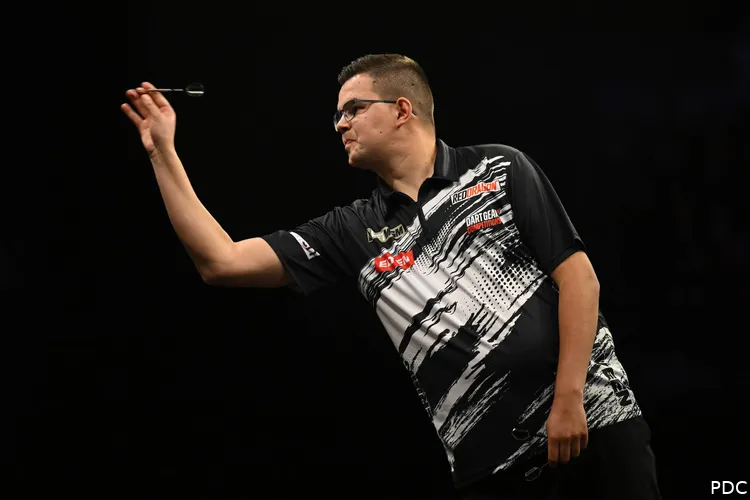
In the demanding arena of professional darts, where razor-sharp focus and physical stamina decide outcomes under intense pressure, even the most promising talents can face unforeseen hurdles. Dutch sensation **Gian van Veen**, the 23-year-old powerhouse nicknamed “The Giant,” has been strongly advised to prioritize rest and allow proper recovery time after undergoing surgery to remove kidney stones. Medical and darts insiders have warned that rushing back into the gruelling schedule of top-level competition so soon after an operation risks fatigue, disruption to his throwing technique, and potential long-term setbacks.
Van Veen’s health scare unfolded dramatically in mid-March 2026. The rising star was forced to withdraw from Night 7 of the BetMGM Premier League Darts in Dublin after being hospitalized with severe kidney stone pain. He had been due to face Michael van Gerwen in the quarter-finals, but the agonizing condition, complicated by an infection, left him with no option but to step aside. For two days, he tried to pass the stones naturally, holding onto hope that he could still compete, but the situation escalated, requiring surgical intervention last Friday.
In the days following the procedure, van Veen shared an honest and vulnerable update on social media. “Following the surgery to remove my kidney stones, recovery has been a process that requires patience,” he wrote. “Unfortunately, that is something that does not come easy when all you want to do is compete in this packed schedule. However, the fatigue is real. My energy levels are still lower than I hoped and every day I have to be smart about how I use it.” He added that he was taking small steps every day, practicing where his body permitted while carefully rebuilding his strength and rhythm. “But where my body allows it, I am on the board. Practicing, working and rebuilding on getting back to where I want to be.”
Despite the clear physical toll, the determined World Championship runner-up set his sights on a swift return. He declared that Berlin for Night 8 of the Premier League was his goal, emphasizing, “I am doing everything to be there this Thursday.” True to his fighting spirit, van Veen made the journey to Germany and stepped onto the stage against Gerwyn Price. The match proved challenging; Price ran out a convincing 6-1 winner. Afterward, van Veen reflected candidly: “Maybe in the end, I was not 100% ready for it.” His appearance highlighted both his dedication to the sport and the lingering effects of surgery and recovery.
This rapid turnaround has prompted cautionary advice from within the darts community. One expert observer noted the dangers of pushing too hard too soon: “You don’t come out of surgery and then go straight into top-level sport. You need that recovery time.” The concern is multifaceted. Kidney stone surgery, though often routine, can leave patients drained, with reduced energy reserves and compromised fine motor control—critical elements for the consistent, repetitive throwing motion required in elite darts. Rushing back risks ingraining compensatory habits or fatigue that could affect performance for weeks, potentially derailing the momentum of a promising season.
Van Veen’s breakthrough campaign had already turned heads before the setback. As runner-up to Luke Littler at the 2026 PDC World Darts Championship at Alexandra Palace, he showcased composure, power, and big-stage temperament that marked him as one of the sport’s brightest prospects. His strong start to the Premier League, which included reaching multiple nightly finals early on, had him sitting as high as sixth in the table. Missing Dublin left its mark on the standings, and the Berlin defeat added further pressure, yet his willingness to compete spoke volumes about his character.
The Premier League Darts is one of the most physically and mentally taxing tours in the sport. Players travel across Europe week after week, performing under bright lights in packed arenas while maintaining peak sharpness. For a young athlete like van Veen, still establishing himself at the highest level, balancing ambition with bodily wisdom is essential. Kidney stones are infamous for their excruciating pain—often compared to some of the worst medical experiences—and when followed by infection and surgery, the recovery demands respect. Hydration, gradual rehabilitation, and listening to warning signs become paramount to avoid recurrence or secondary issues.
Throughout the ordeal, van Veen has demonstrated maturity by keeping fans informed and maintaining a positive outlook. He has been seen sharing lighter moments in Berlin with his girlfriend Kyana, a welcome reminder that balance matters even amid high-stakes competition. His public updates have drawn widespread support, with many fans relating their own stories of battling similar health challenges while pursuing passions.
Looking forward, the consensus remains that patience will be van Veen’s greatest ally. The 2026 darts calendar is packed with opportunities, including remaining Premier League nights, European Tour events, and major televised tournaments. By focusing on small, consistent improvements—as he himself described—he can return not just fit, but sharper and more resilient. Supporters and fellow professionals hope he heeds the call to rest adequately, safeguarding a career that has already delivered thrilling performances and holds enormous potential for future success.
In a sport that celebrates mental fortitude and physical precision, van Veen’s experience serves as a timely reminder: even giants need time to heal. The darts world watches with anticipation as he navigates this temporary challenge, confident that a measured approach will allow “The Giant” to rise again and continue his ascent among the elite. His journey underscores that true strength often lies in knowing when to pause, rebuild, and come back stronger.