
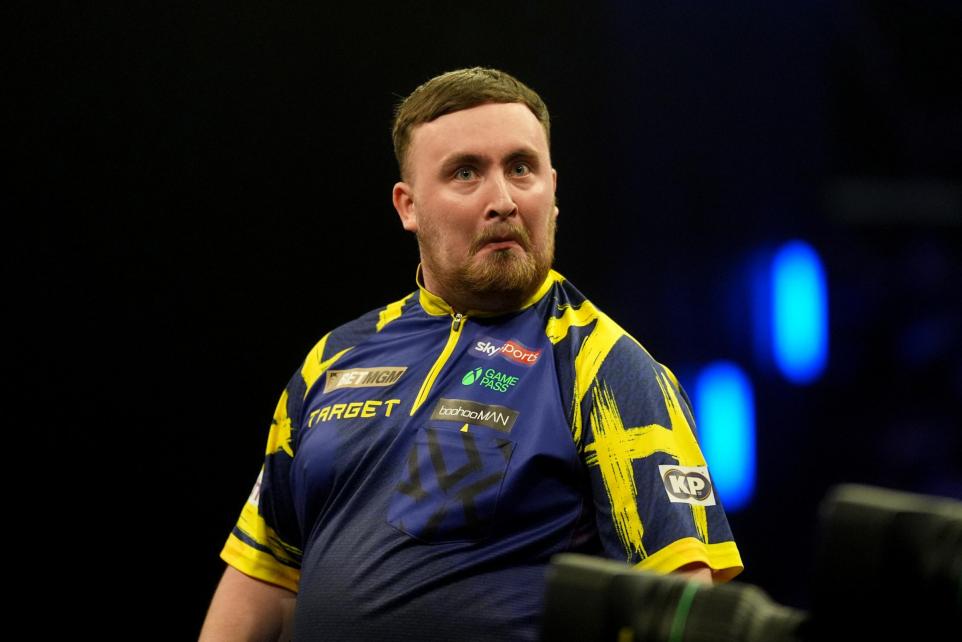
In a savvy and timely response to the exploding capabilities of artificial intelligence, darts superstar Luke Littler has filed an application with the UK’s Intellectual Property Office (IPO) to trademark his own face. At just 19 years old, the world number one and two-time PDC World Champion is already one of the most marketable athletes on the planet, and this proactive step aims to shield his likeness from unauthorized AI-generated fakes and exploitative uses.
Littler’s extraordinary journey—from a 16-year-old breakout star in 2024, claiming the BBC Young Sports Personality of the Year award, to securing back-to-back world titles—has catapulted him into global fame. His image graces merchandise, sponsorship deals, video games, apparel, and countless promotional campaigns. Building on earlier success in trademarking his nickname “The Nuke” in the United States, this latest move targets his facial features directly, seeking to establish exclusive rights over how his appearance is used commercially across various categories.
The primary driver is the escalating risk posed by generative AI tools, which can now produce hyper-realistic deepfakes, manipulated images, fabricated videos, or entirely synthetic content featuring celebrities. These could appear in counterfeit products like fake darts gear, unauthorized apparel, misleading advertisements, or deceptive online content that misrepresents Littler for profit or harm. Such reproductions risk infringing copyright, diluting his brand, and eroding public trust. By registering his face as a trademark, Littler aims to create stronger legal recourse: trademark law would allow him to pursue infringers more aggressively where traditional privacy or image rights might fall short in the fast-evolving AI landscape.
Intellectual property experts have hailed the strategy as forward-thinking and pragmatic. Graeme Murray, a trademark attorney at Marks & Clerk, described it as a “smart move” that reflects growing awareness among high-profile figures about digital vulnerabilities. While not a complete shield against every misuse—deepfakes in non-commercial contexts or parody might still pose challenges—it provides a valuable layer of protection and serves as a deterrent. The approach aligns with similar efforts by other celebrities and athletes who have pursued face or likeness trademarks to combat AI-driven exploitation.
The application is now under review at the IPO, a standard process that assesses whether it meets registration criteria, including distinctiveness and proper classification for relevant goods and services. If approved, it would bolster Littler’s existing IP portfolio, covering areas like clothing, sporting equipment, beverages, snacks, and digital media. This could prove especially crucial as his career trajectory points to even larger commercial opportunities, from expanded endorsements to potential media ventures.
The move comes at a pivotal moment in Littler’s life on and off the oche. Despite facing intense public scrutiny—including vocal crowd reactions during events like Premier League Darts—he continues to dominate, recently defying boos to secure key victories. Protecting his image ensures that his authentic persona remains under his control amid constant exposure. It also highlights a broader concern in sports and entertainment: how young stars, thrust into the spotlight early, can safeguard their identity against technologies that replicate appearances with eerie precision.
Littler’s initiative may inspire others in darts and beyond to take similar precautions. As AI advances blur the boundaries between real and synthetic content, proactive brand management becomes essential. For a teenager already achieving legendary status, this trademark bid demonstrates remarkable foresight—treating his face not just as a personal feature but as a valuable asset worth defending rigorously.
In an era where anyone can be digitally recreated without consent, Littler’s application sends a powerful signal. It underscores the need for updated legal frameworks to address AI threats while empowering individuals to maintain control over their public image. Whether the IPO grants registration or not, the effort positions Littler as a trailblazer in athlete-driven IP protection. As his dominance on the darts circuit continues, this behind-the-scenes strategy ensures his legacy stays genuine, controlled, and unmistakably his own.