
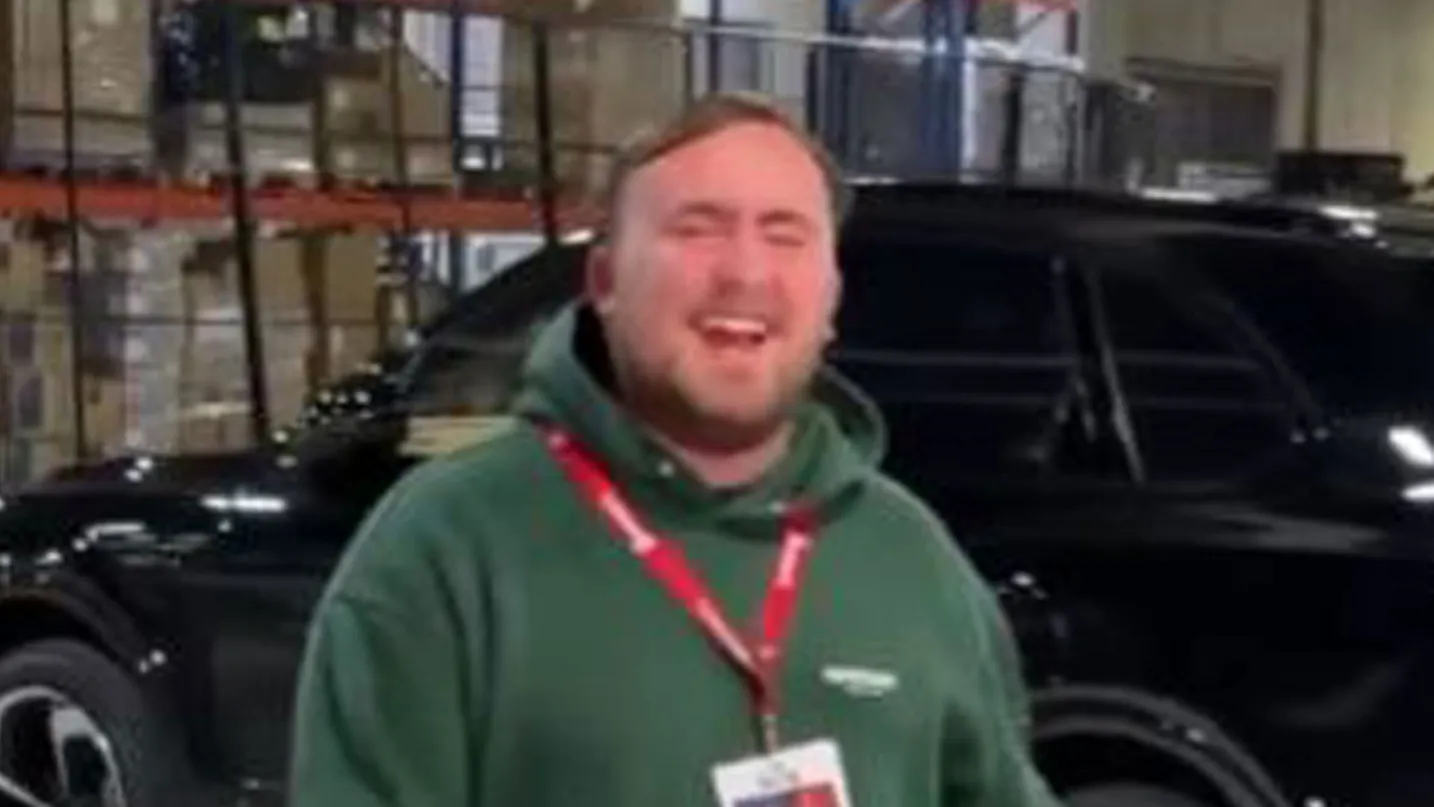
Luke Littler has made his position on Dutch darts crystal clear, and his latest decision has given fans another reason to discuss the growing tension between the world champion and sections of the Netherlands crowd.
While some of the sport’s biggest names travelled to Maastricht for the Dutch Darts Championship, Littler chose a very different way to spend his weekend. The 19-year-old was at London’s O2 Arena to watch Daniel Dubois face Fabio Wardley in their heavyweight boxing rematch, leaving the darts tournament to go ahead without one of its biggest attractions.
For Littler, this is about more than simply missing another tournament. His absence follows a furious reaction to the treatment he received from Dutch spectators in Amsterdam, and it raises an important question: how far should a professional player go when the crowd makes competing an unpleasant experience?
Why Littler Decided to Stay Away From the Netherlands
The controversy began at the World Series of Darts Finals in Amsterdam in September, when Littler faced hostile reactions from sections of the crowd during matches against Dutch favourite Danny Noppert and England teammate Nathan Aspinall.
Despite the atmosphere, Littler won both matches before losing 10-4 to Jonny Clayton in the quarter-finals. The crowd’s behaviour, however, became one of the biggest talking points of his appearance.
During his match against Aspinall, referee Charlie Corstorphine had to intervene and warn spectators about their conduct. The incident highlighted the tension between the world number one and fans who appeared determined to get under his skin.
Littler made his frustration clear when he discussed the possibility of avoiding future tournaments in the country.
“If the Dutch stay like this, then I’m not going to do any Euro tours over there,” he said.
“There’s just no point in me travelling, wasting my time whilst I’m getting booed. I just want to play my darts, obviously sign autographs.”
Those comments were a warning, but his subsequent withdrawals showed that he was prepared to follow through.
Littler had already pulled out of two Players Championship events scheduled to take place in the Netherlands in September. His absence from the Dutch Darts Championship represents another chapter in a dispute that shows no immediate sign of disappearing.
And honestly, it is difficult to blame him for wanting to compete in an atmosphere where he feels respected. Professional players are expected to handle pressure, but that does not mean every form of crowd behaviour should simply be accepted.
A World Champion Who Refuses to Be Distracted
There is an interesting contradiction in Littler’s situation. He has repeatedly demonstrated that he can produce outstanding darts under pressure, yet the atmosphere surrounding his matches has become almost as significant as the results themselves.
The teenager is no stranger to criticism or hostile spectators. His rapid rise has made him one of the most recognisable figures in the sport, and that attention inevitably attracts supporters as well as detractors.
However, the Amsterdam incident showed how quickly a sporting contest can become a discussion about respect and behaviour rather than performance.
Littler has previously taken a similar stance towards tournaments in Germany after experiencing negative crowd reactions there. His decision to avoid Dutch events suggests that he is willing to sacrifice opportunities to compete rather than repeatedly put himself in situations he finds unacceptable.
There is a sporting cost to that approach. Every tournament offers a chance to win prize money, improve rankings or gain valuable competitive experience. Missing events can also affect qualification opportunities for other competitions.
But players have to decide what works for them, and Littler clearly believes that attending every available event is not worth the experience if the atmosphere remains hostile.
The bigger question is whether the situation eventually changes enough for him to reconsider.
Dubois Versus Wardley Provides a Different Kind of Drama
While Littler was absent from Maastricht, he was enjoying a major boxing occasion in London.
Daniel Dubois and Fabio Wardley met at the O2 Arena on October 17 for their heavyweight rematch, with Dubois defending his WBO heavyweight title. The bout offered a completely different sporting spectacle from the darts action taking place in the Netherlands.
Littler was pictured at the boxing event and reportedly backed Wardley to win. That prediction did not come true, as Dubois produced a devastating performance to stop his British rival in the second round.
Dubois dropped Wardley early and continued applying pressure until Wardley’s corner threw in the towel at two minutes and 21 seconds of the second round.
It was a dramatic result, particularly considering their previous encounter in May, when Dubois won through an 11th-round knockout after a much longer contest.
For Littler, the boxing appearance provided an opportunity to enjoy another sport rather than spend the weekend competing in a country where he has recently felt unwelcome.
It would be wrong to suggest that attending the fight was necessarily a statement aimed at Dutch darts fans. Nevertheless, the timing inevitably attracted attention because the Dutch Darts Championship was taking place on the same weekend.
His decision has also highlighted just how much interest follows Littler, even when he is nowhere near a darts oche.
The Dutch Darts Championship Must Carry On Without Him
Littler’s absence is significant, but the tournament itself still features plenty of quality.
Defending champion Jonny Clayton returned to the event, while Gerwyn Price, Michael van Gerwen and Gian van Veen were among the notable names involved. Van Gerwen and Van Veen were also looking to secure their first European Tour victories of the season.
The tournament is the final European Tour event before the European Championship in Germany, giving players an important opportunity to build momentum ahead of the season-ending major.
For Littler’s rivals, his absence creates an opening. A tournament without the world champion removes one of the biggest obstacles facing anyone hoping to lift the trophy.
Yet there is another side to the story. Littler’s popularity attracts attention, and his absence inevitably means the event misses the opportunity to showcase one of its most marketable stars.
That does not mean the tournament cannot deliver exciting darts. In fact, the remaining players have every incentive to make the most of the opportunity.
But it is hard to ignore the wider issue. When a leading player repeatedly avoids tournaments because of crowd behaviour, organisers have a reason to examine the atmosphere they are creating.
Fans are entitled to support their favourites, celebrate home players and express disappointment when results go against them. However, there is a difference between passionate support and behaviour that repeatedly disrupts a match.
If organisers want the biggest names to keep returning, creating an environment in which players can compete without persistent hostility should matter.
Could Littler Return to Dutch Darts?
For now, Littler’s latest absence suggests that his position has not changed.
There is no guarantee that he will return to Dutch tournaments soon, and it would be premature to assume that the relationship will improve without a change in circumstances.
The European Championship in Dortmund is another important event on his calendar, although that tournament takes place in Germany, where he has also experienced hostile receptions. His participation there will be worth watching, given his previous comments about the treatment he receives from crowds.
Ultimately, Littler is still young, immensely talented and capable of achieving far more in the sport. Missing tournaments may have consequences, but it does not erase his achievements or diminish his status as one of darts’ leading players.
His decision also puts responsibility on the wider darts community to consider how it wants the sport to develop. Rivalries and crowd involvement make darts entertaining, but they should not overshadow the competition itself.
Final Thoughts
Luke Littler has chosen to spend another Dutch tournament weekend away from the oche, watching boxing in London instead of competing in Maastricht.
His decision follows the hostile reception in Amsterdam and his warning that he would stop travelling to the Netherlands if the treatment continued. Whether the boycott lasts for months or eventually comes to an end will depend on what happens next.
One thing is certain: Littler’s absence gives his rivals a better opportunity to claim silverware, while the debate over crowd behaviour continues.
Was Littler right to stand by his decision, or should the world champion return to the Netherlands and let his darts do the talking? Share your opinion.