
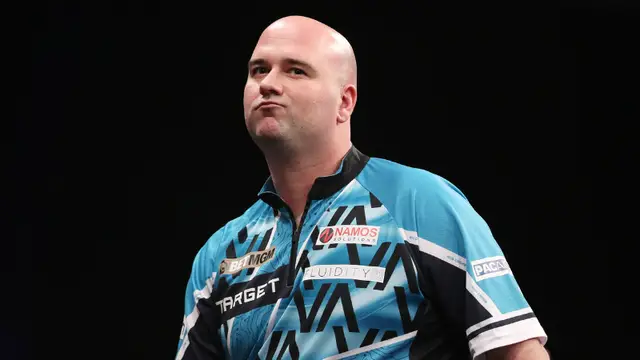
The darts world was rocked by unexpected news when former world champion **Rob Cross** received a five-year ban from serving as a company director. The sanction stemmed from serious financial failings at his personal company, which left more than £450,000 in unpaid taxes. This high-profile case has sparked widespread discussion about the responsibilities athletes face when managing the business side of their careers.
Rob Cross, the Kent-born thrower who stunned the sport by winning the PDC World Darts Championship in 2018 on his debut at Alexandra Palace, had set up **Rob Cross Darts Limited** in May 2017. The company was designed to handle his growing professional earnings, including substantial prize money, sponsorship deals, and income from public appearances. His 2018 triumph alone brought in around £400,000, marking one of the most inspirational rises in recent darts history — from working as an electrician to claiming the sport’s biggest prize against the retiring Phil Taylor.
However, an investigation by the Insolvency Service revealed deep problems in how the company’s finances were handled between March 2020 and November 2023. During this period, the business received well over £1 million in income from Cross’s darts activities. Despite this healthy revenue stream, significant amounts of **VAT** and **corporation tax** went unpaid. By the time the company entered insolvent liquidation in late 2023, total liabilities to creditors — primarily tax authorities — had ballooned beyond £450,000.
Compounding the issue, investigators discovered that Cross had withdrawn substantial sums from the company while it was failing to meet its tax obligations. More than £300,000 was taken out during this timeframe, money that should have been directed toward settling debts with creditors, including HMRC. Additionally, his director’s loan account became heavily overdrawn, reaching over £400,000 (with reports citing figures around £423,608) by the point of liquidation. Officials determined that funds intended for public finances were instead diverted elsewhere, creating a significant shortfall that left creditors facing major losses.
A senior figure from the Insolvency Service emphasised the gravity of the situation, highlighting how such failures undermine the funding of essential public services. Unpaid taxes directly impact hospitals, schools, roads, and other vital areas that rely on consistent revenue from businesses and individuals. In response to the findings, Cross agreed to a director disqualification undertaking. This legally binding agreement prohibits him from acting as a director, or being involved in the promotion, formation, or management of any limited company, without specific court approval. The ban, which began on 5 June 2025, runs until June 2030.
Cross has taken public responsibility for the situation. In statements following the ruling, he openly admitted his mistakes, describing the episode as a low point in his life. He acknowledged, “I’ve done wrong… I’m willing to correct it,” reflecting a willingness to face the consequences and work toward resolution. His comments suggest genuine regret and a commitment to learning from the experience rather than deflecting blame.
To address the outstanding debts, Cross entered into an **Individual Voluntary Arrangement (IVA)** last year. This structured repayment plan allows him to make regular contributions toward clearing what he owes, overseen by an insolvency practitioner. Under the IVA, a portion of his future earnings — including prize money from PDC tournaments and other income sources — will be allocated to creditors. This means his performances on the oche will now play a direct role in resolving the financial fallout, turning every 180 and checkout into part of a long-term recovery effort.
Importantly, the disqualification only affects Cross’s ability to run or direct companies. It does not prevent him from continuing his professional darts career. The 35-year-old remains an active competitor on the PDC Pro Tour and can still participate in all major events, including the World Championship, Premier League nights, and Players Championships. Fans who have followed his journey — from his early days battling through qualifying events to becoming a consistent top-16 threat — can expect to see “Voltage” on stage, delivering his powerful, aggressive style of play.
This case serves as a stark reminder for professional athletes across all sports. The transition from on-field or on-stage success to managing substantial personal wealth brings complex challenges. Prize money can arrive in large, irregular sums, sponsorship deals add further layers, and the demands of a travelling lifestyle often leave little time for meticulous financial oversight. Many players rely on advisers, accountants, or limited companies to structure their affairs, but as Cross’s situation illustrates, poor management or oversight can lead to severe repercussions.
Cross’s story carries particular poignancy because of his relatable background. Unlike some darts stars who emerged as teenage prodigies, he balanced a full-time job as an electrician with his early tournament ambitions. His 2018 world title victory captured imaginations precisely because it represented an everyman achieving the extraordinary. Now, at a stage where he should be enjoying the rewards of his talent and hard work, he faces the task of rebuilding financial stability and public trust alongside chasing further titles.
The darts community has reacted with a mixture of disappointment and understanding. While the sums involved are significant, many recognise that managing personal companies is not part of the core skill set that makes someone a world-class darter. Cross’s willingness to accept the ban without contest and commit to the IVA has been viewed by some as a mature response that could help him move forward.
As the 2026 season progresses, Cross will continue competing at the highest level, his focus split between hitting the big scores needed to climb rankings and honouring the commitments of his repayment plan. The five-year director ban will limit his options for future business ventures, but it leaves the door open for him to rebuild his career on the board he knows best.
Ultimately, this episode underscores a broader truth in modern professional sport: talent and determination can take an athlete to the top, but sustaining success requires discipline off the field as much as on it. For Rob Cross, the road ahead involves not only hunting more major titles but also demonstrating the character to overcome this challenging chapter. With his proven resilience and the support of the darts world, many hope he can channel the same focus that once made him world champion into putting his financial house in order and emerging stronger on the other side. (Word count: 812)
Leave a Reply