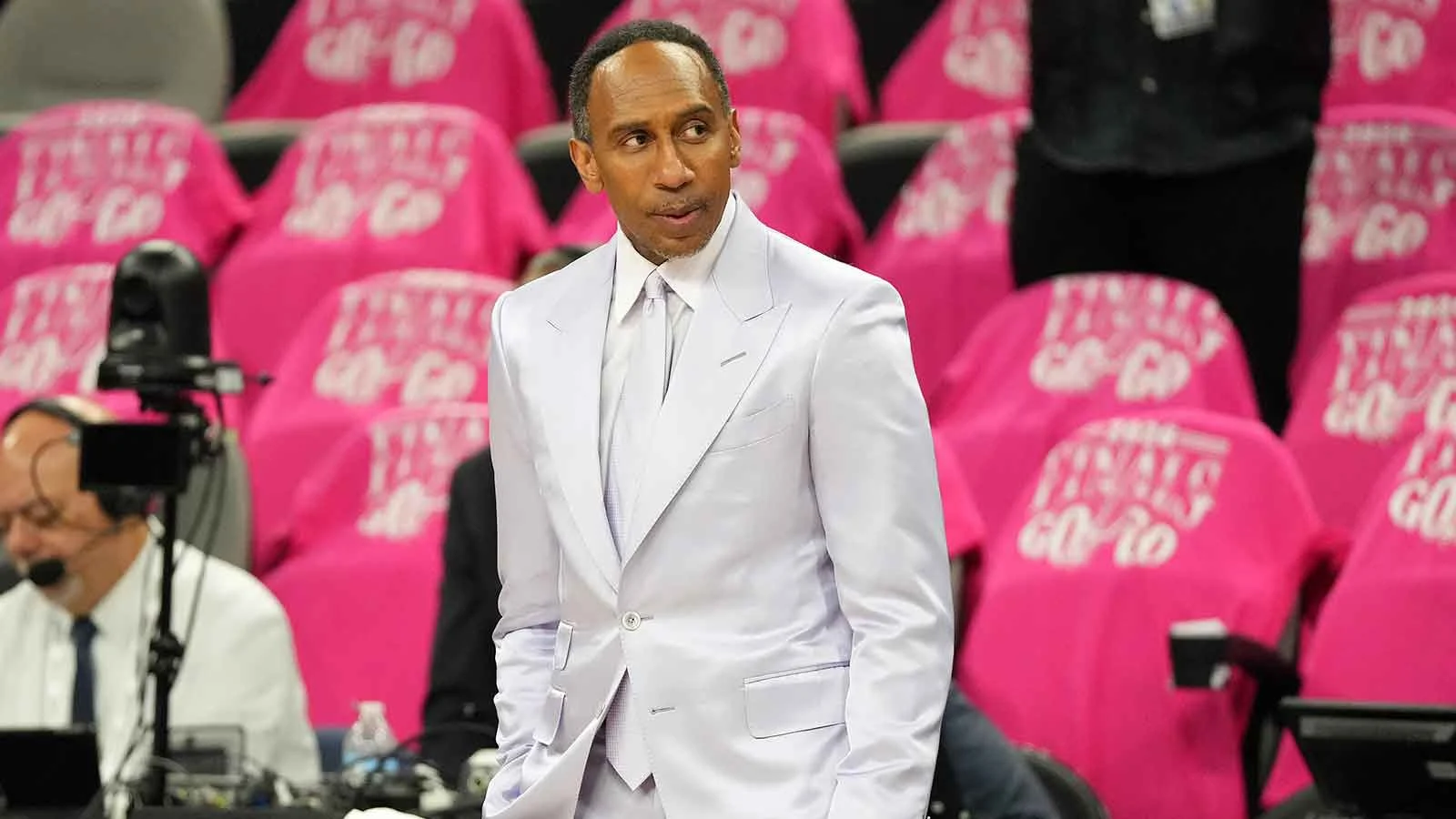
When Stephen A. Smith apologizes, it’s never just an apology — it becomes a moment, a storyline, and sometimes even a spark for bigger NBA drama.
That’s exactly what’s happening after the ESPN analyst publicly addressed Josh Hart and the New York Knicks during an appearance on The Roommates Show. What should have been a simple clarification quickly turned into one of those viral NBA media moments that fans can’t stop debating.
Smith, known for his fiery takes and fearless criticism, reportedly walked back comments that didn’t sit well with Knicks fans and players, especially Hart, who has become one of the emotional leaders of the team. The apology wasn’t just directed at Hart personally — it also extended to the Knicks organization, acknowledging that his earlier remarks may have crossed a line in tone and interpretation.
For Knicks fans, this is more than just media backtracking. It feels like a rare moment of accountability from one of basketball’s loudest voices — and it immediately sparked conversations about respect, narrative pressure, and how much influence media personalities actually have over team perception.
Josh Hart, meanwhile, continues to be one of the most respected voices in the Knicks locker room. His style isn’t flashy, but it’s impactful — hustle plays, defensive intensity, leadership energy, and a willingness to say what others won’t. That’s part of why any criticism of him tends to hit harder than usual in New York.
And that’s where Stephen A.’s comments originally landed a nerve.
Some fans felt the initial criticism of Hart and the Knicks was unnecessary, especially given how the team has been trying to build identity and consistency in a brutally competitive Eastern Conference. Others defended Smith, arguing that his role is to hold teams accountable, especially a franchise with the spotlight intensity of New York.
But the apology shifts the tone of the entire discussion.
Now the debate isn’t just about what was said — it’s about why it was said, and whether media narratives around the Knicks are often too harsh or overly emotional. That’s a familiar argument in New York sports culture, where scrutiny is constant and every opinion gets amplified.
On The Roommates Show, the tone of the conversation reportedly felt more relaxed and reflective, with Smith acknowledging that sometimes his passion for the game can blur the line between critique and overreach. That self-awareness is something fans don’t always associate with him, which made the moment stand out even more.
Still, not everyone is convinced the apology changes much.
Some NBA fans argue that this is part of the cycle — strong take, backlash, clarification, reset. In their view, nothing fundamentally changes about how media and players interact. Others see it differently, believing that moments like this help humanize both sides of the conversation, especially in a league where narratives move faster than actual games.
From an opinion standpoint, this situation highlights something deeper about modern NBA culture: the relationship between players and media is more personal than ever. Social media, podcasts, and player-led platforms mean conversations don’t stay confined to studio debates anymore — they spill directly into locker rooms, group chats, and fan discourse in real time.
That’s why Hart’s involvement matters. He’s not just a subject of commentary; he’s part of the new media ecosystem himself. Players now have platforms to respond, clarify, or even directly engage with analysts — and that changes the power dynamic in ways the league hasn’t fully adjusted to yet.
For the Knicks, this moment is unlikely to disrupt anything on the court, but it does reinforce how closely the team is watched. Every win, every loss, every comment from a media figure becomes part of the larger New York narrative machine.
And for Stephen A. Smith, it’s another reminder of why he remains one of the most influential — and controversial — voices in basketball. His opinions shape discussions, but moments like this show that even the loudest takes can sometimes need recalibration.
In the end, the apology isn’t just about Hart or the Knicks. It’s about the evolving relationship between players, media, and fans in an era where every statement travels instantly and every reaction becomes part of the story.
And in true NBA fashion, what started as criticism has now turned into a conversation bigger than the original quote — one that will likely follow both Stephen A. and the Knicks deeper into the season.
Leave a Reply