
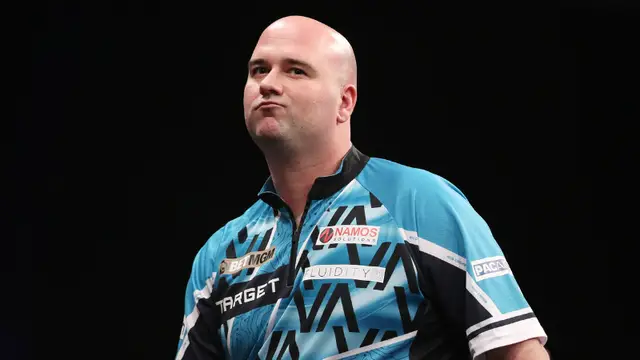
The career of Rob Cross, famously known as “Voltage,” has taken a complicated and sobering turn that reaches far beyond the dartboard. Once celebrated for his incredible rise to become the 2018 PDC World Darts Champion, Cross is now dealing with the consequences of a major financial issue that has significantly impacted his professional life. The situation has resulted in a five-year disqualification from serving as a company director, a ban that will remain in place until June 2030. It is a development that underlines the serious responsibilities attached to running a company, even for globally recognized athletes.
Cross’s financial troubles are closely tied to the collapse of Rob Cross Darts Limited, a business he established in May 2017. At the time, the company was created to manage his rapidly growing income as he transitioned from an electrician into one of the most talked-about figures in professional darts. His success brought substantial prize money and sponsorship opportunities, and the company structure was meant to handle those earnings efficiently. However, despite the promising setup, the company eventually fell into serious financial difficulty.
By late 2023, Rob Cross Darts Limited had entered insolvent liquidation, exposing a large amount of unpaid tax. The total liability exceeded £450,000, covering corporation tax, VAT, and PAYE contributions. This level of debt quickly attracted the attention of the Insolvency Service, which launched a detailed investigation into how the company had been managed. The findings painted a troubling picture of financial mismanagement over an extended period.
According to investigators, between March 2020 and November 2023, more than £1 million flowed into the company. During that same timeframe, Cross authorized withdrawals of over £300,000. These funds, it was determined, should have been used to pay creditors, particularly HM Revenue and Customs. By the time the company entered liquidation, his director’s loan account had also become heavily overdrawn, exceeding £423,000. This meant that a substantial portion of company funds had effectively been taken out without being properly accounted for or repaid.
The Insolvency Service concluded that these actions amounted to misconduct. The failure to prioritize creditors, especially HMRC, was viewed as a serious breach of duty. Taxes that should have been paid were left outstanding, ultimately reducing the funds available for public services. Authorities emphasized that such behavior creates an uneven playing field, as compliant businesses meet their obligations while others gain an unfair advantage by failing to do so.
The consequences for Cross have been significant. The five-year ban prevents him from being involved in the formation, promotion, or management of any company unless he receives specific permission from the court. For a professional athlete who relied on a limited company to manage income streams, this restriction represents a major disruption to how he conducts his financial affairs.
Alongside the disqualification, Cross has entered into an Individual Voluntary Arrangement (IVA). This is a formal agreement that allows him to repay his debts over time while avoiding bankruptcy. Under the terms of the IVA, he must commit a portion of his ongoing earnings toward clearing what he owes. While this arrangement provides a structured path forward, it also places him under strict financial obligations for several years.
Cross has addressed the situation publicly, showing a willingness to accept responsibility. He described the ordeal as one of the most difficult periods of his life, noting that it has taken around two years to resolve. He acknowledged that it is not something he is proud of but made it clear that he is committed to putting things right. He has spoken about the emotional and financial strain of the process, while also expressing relief that a resolution is now in place. His focus, he says, is on moving forward, continuing to compete, and meeting the terms of his repayment plan.
The case has also drawn attention from government officials, who have used it to reinforce a broader message about corporate responsibility. The Insolvency Service highlighted that unpaid taxes have a direct impact on funding for essential services such as healthcare, education, transport, and national defense. Officials stressed that enforcement action is necessary to ensure fairness and accountability, making it clear that no one is above the rules, regardless of their public profile.
For Cross, the timing of this setback is particularly striking when viewed against the backdrop of his career. His rise to the top of professional darts was nothing short of remarkable. Transitioning from amateur competitions to world champion in just over a year, he became one of the sport’s biggest success stories. That rapid ascent brought both financial rewards and increased complexity in managing his affairs, something that ultimately proved challenging.
Despite the difficulties, Cross continues to compete on the professional darts circuit. Maintaining focus on his performance while managing the pressures of his financial obligations is no easy task, but it reflects his determination to rebuild. His journey now involves not only striving for success on the oche but also restoring his credibility off it.
The situation serves as a broader lesson for athletes and professionals alike. Financial success often brings added responsibilities, and managing those responsibilities requires careful oversight and expertise. The role of a company director carries legal duties that cannot be overlooked, particularly when it comes to paying taxes and protecting the interests of creditors. Failure to meet those obligations can lead to serious and lasting consequences.
As Cross continues his career, his story has evolved into one of both caution and resilience. While his achievements in darts remain significant, this chapter highlights the importance of accountability and the challenges that can arise away from the spotlight. The coming years will likely define how successfully he can balance his professional ambitions with the responsibility of addressing his financial past, as he works to rebuild both his standing in the sport and his reputation beyond it.
Leave a Reply