
Tension and controversy briefly took centre stage at the European Darts Grand Prix when an unexpected accusation left one of the sport’s most experienced players stunned and sparked debate among fans.
Dutch star Danny Noppert was at the heart of the drama during his quarter-final clash with Poland’s Krzysztof Ratajski, alleging that his opponent was producing distracting “clicking” noises with his darts during the match. The claim came in the middle of a tightly contested encounter and instantly changed the atmosphere inside the arena in Sindelfingen, Germany.
Up until that moment, the match had been a high-quality battle, with both players showcasing the consistency and precision expected at this level of the European Tour. Legs were being shared, scoring was steady, and neither player looked ready to give an inch. But the rhythm of the contest was suddenly disrupted when Noppert raised concerns about a repeated clicking sound he believed was affecting his concentration at the oche.
The suggestion appeared to be that Ratajski was either tapping or adjusting his darts in a way that created a noise at key moments. Whether intentional or not, Noppert clearly felt it was enough to interfere with his focus during crucial visits to the board. For a player known for his calm demeanor and measured approach, the decision to speak up highlighted just how much the situation was bothering him.
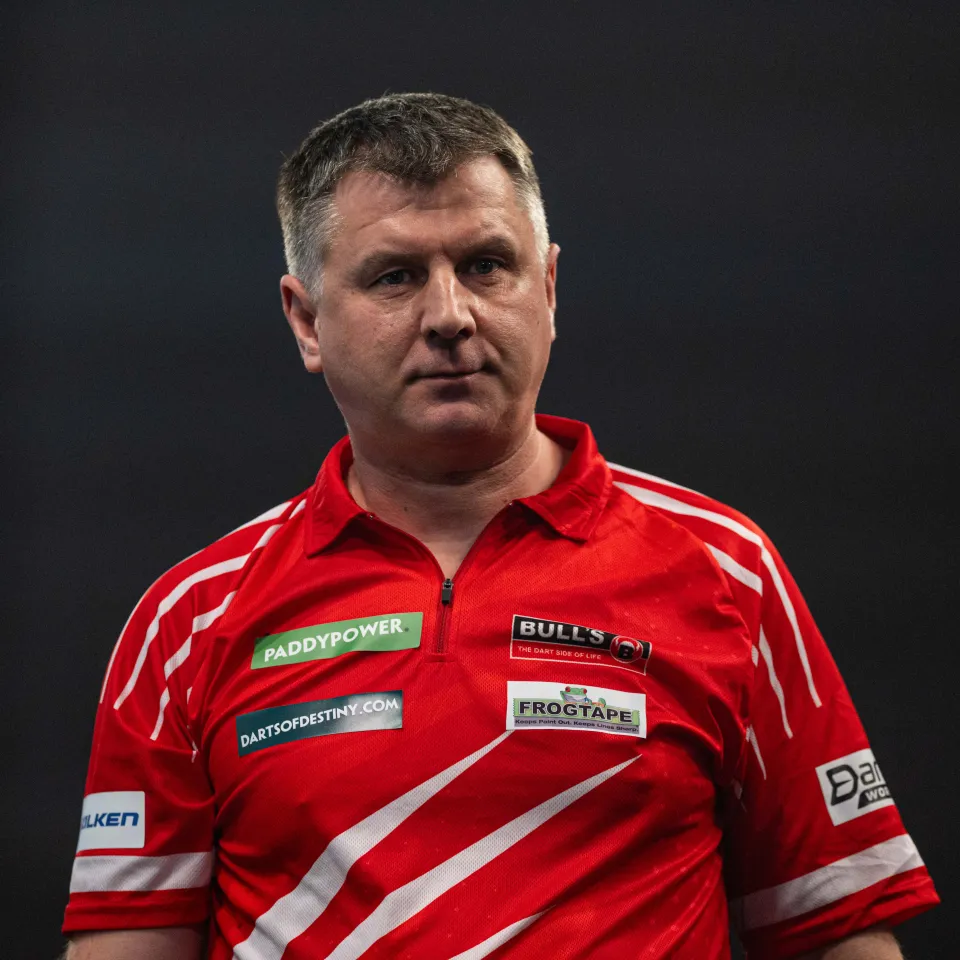
For Ratajski, the accusation came as a complete surprise. The Polish veteran, who has built a reputation as one of the most professional and composed figures on the circuit, admitted afterwards that he was taken aback by what had happened.
“I was in shock,” he said, reflecting on the moment he was called out mid-match. The 49-year-old made it clear that he had no intention of distracting his opponent and was unaware that he might have been doing anything unusual.
“I didn’t notice anything,” he added, suggesting that whatever Noppert had picked up on was not something he had consciously done. From Ratajski’s point of view, it was simply part of his natural routine between throws, rather than any form of gamesmanship.
Despite the brief tension, there was no formal intervention from officials, and the match continued without delay. Both players were left to refocus and deal with the psychological impact of the moment as the contest approached its decisive stages.
What followed was a dramatic finish that underlined the mental strength required to succeed in professional darts. Ratajski found himself trailing 5-4, with Noppert just one leg away from sealing victory. At that stage, the Dutchman appeared to have the momentum and was closing in on a place in the semi-finals.
However, Ratajski refused to let the situation derail him. Showing impressive composure, he managed to survive a match dart and forced the contest into a deciding leg. With the pressure at its peak, he delivered when it mattered most, edging the decider to complete a 6-5 comeback win.
It was a remarkable turnaround, not just in terms of the scoreline but also considering the earlier controversy. The ability to reset mentally and produce under such pressure highlighted Ratajski’s resilience and experience on the big stage.
At the conclusion of the match, the handshake between the two players was brief but respectful. While the earlier exchange had introduced a layer of tension, there was no sign of lingering hostility. In a sport that places a strong emphasis on etiquette and mutual respect, such incidents are rare, but they serve as a reminder of how intense competition can become.
The episode also sparked wider discussion about the role of concentration in darts. At the highest level, players rely heavily on rhythm and routine, and even the smallest perceived distraction can have an impact. Whether the clicking noise genuinely affected Noppert or was simply a moment of frustration is difficult to determine, but it illustrated how fine the margins are in elite competition.
For Noppert, the incident represented an unusual moment. Known for his composed nature, he rarely shows visible frustration on stage. That he felt compelled to raise the issue suggested he believed it was affecting his performance in a meaningful way.
Ratajski, on the other hand, responded in the best possible manner—by letting his darts do the talking. His comeback victory ensured that the focus quickly shifted back to the quality of play, even if the controversy remained a talking point among fans.
Carrying that momentum into the semi-finals, Ratajski continued his impressive run in the tournament. However, his bid for a place in the final ultimately fell short when he faced England’s Ross Smith in the last four.
The semi-final presented a different kind of challenge. Ratajski struggled early on with his finishing, missing several attempts at doubles that allowed Smith to build a lead. Although the Polish star fought back and made the contest competitive, the early deficit proved too much to overcome.
Smith held his nerve in the closing stages to secure a 7-5 victory, ending Ratajski’s run just short of the final. Despite the defeat, it remained a strong showing from the Polish veteran, who once again demonstrated his ability to compete with the very best on the European Tour.
The European Darts Grand Prix itself is one of the standout events on the circuit, attracting top players from across the world and offering valuable ranking points alongside a significant prize fund. With so much at stake, it is perhaps no surprise that emotions can occasionally surface, even in a sport built on precision and control.
While the tournament ultimately crowned a deserving champion, the quarter-final clash between Noppert and Ratajski provided one of its most memorable moments. The brief controversy added an extra layer of intrigue and highlighted the psychological battles that take place alongside the physical skill of the game.
In darts, success is not just about scoring power or finishing ability. It is also about maintaining focus, handling pressure, and adapting to unexpected situations. The incident served as a reminder that even the smallest factors can influence the outcome of a match.
For both players, the experience will likely be one they move on from quickly as they continue their seasons. But for those watching, it offered a rare glimpse into the mental side of the sport and the challenges players face in maintaining concentration under intense pressure.
And for a short moment in Sindelfingen, a simple “click” became one of the biggest talking points on the European darts stage.
Leave a Reply