
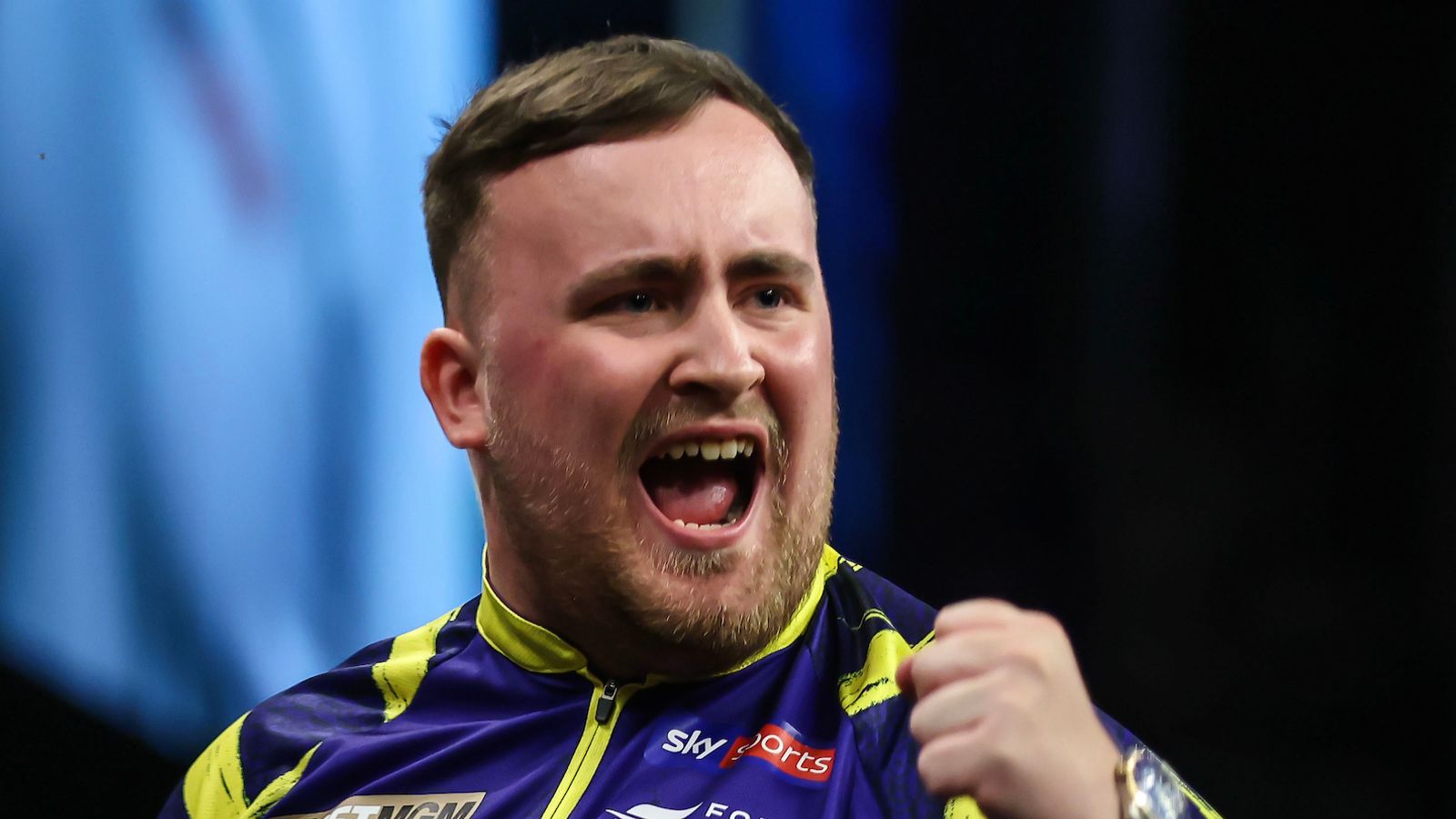
Luke Littler’s Battle With Hostile Crowds Shows Just How Big a Star He Has Become
Just a few years ago, Luke Littler was the teenage sensation that every darts fan wanted to see succeed. Now, the sport’s biggest name is walking onto stages around Europe and hearing boos, whistles and hostile reactions from sections of the crowd.
It is one of the most surprising storylines in darts today.
Speaking ahead of the US Darts Masters, Littler admitted that he believes some fans are simply “bored” of seeing him win. The world No. 1 revealed that months of crowd hostility affected him so much that he even considered taking a break from the sport before deciding instead to keep fighting and proving himself on the biggest stages.
For many sports fans, that statement may sound shocking.
How can supporters become tired of watching one of the most talented players the sport has ever produced?
But history suggests Littler may actually be right.
Across almost every sport, dominant athletes eventually become targets for opposition fans. It happened to Phil Taylor in darts. It happened to Roger Federer, Novak Djokovic and Serena Williams in tennis. It happened to Manchester United teams under Sir Alex Ferguson. Success attracts admiration at first, but eventually many neutrals start hoping for an upset.
Littler himself compared the situation to other sports where athletes face constant criticism and abuse from spectators. He questioned why fans would pay money for tickets only to spend the night booing players who are simply trying to perform.
The reality is that Littler’s rise has been so fast that the public perception of him has changed dramatically.
When he burst onto the scene as a 16-year-old during the 2024 World Championship, he was the underdog. Every fan loves an underdog.
Today, he is the two-time world champion, world No. 1 and the player everyone expects to win major tournaments.
That changes everything.
Many fans no longer watch hoping Littler can cause an upset. Instead, they watch hoping someone can stop him.
In some ways, that is the ultimate compliment.
A growing number of analysts and fans have compared the situation to the “Phil Taylor effect.” When a player dominates for long periods, crowds often begin supporting whoever stands on the opposite side of the stage simply because they want to see something different.
That does not necessarily mean fans dislike Littler personally.
It may simply mean they want drama.
Darts crowds have always loved unpredictability. A tournament becomes more exciting when the favorite is under pressure. Every missed double suddenly creates tension. Every underdog victory becomes a memorable story.
Ironically, Littler’s dominance may be making him a victim of his own success.
However, there is another side to the debate.
Some critics argue that Littler has occasionally added fuel to the fire through his reactions. His exchanges with crowds, emotional celebrations and public comments have sometimes generated headlines and encouraged fans to engage with him even more aggressively. Former professionals and commentators have suggested that responding to crowds can sometimes make the situation worse.
That criticism is not entirely unfair.
At the same time, it is important to remember his age.
Littler is still only 19 years old.
Most athletes do not face this level of scrutiny until much later in their careers. He has gone from a talented teenager to arguably the biggest attraction in world darts in less than three years. Every reaction is analyzed. Every gesture is discussed. Every interview becomes a headline.
That is a difficult adjustment for anyone.
What stands out most is that the hostility has not stopped him from winning.
Despite hearing boos in cities across the Premier League season and dealing with hostile atmospheres at major events, Littler continued collecting trophies and producing elite performances. PDC chief executive Matt Porter even suggested that Littler has often thrived under hostile conditions, using the negativity as motivation.
That may be the most worrying sign for his rivals.
Many players struggle when crowds turn against them.
Littler seems to be learning how to win anyway.
In my opinion, darts should be careful about crossing the line between playful crowd involvement and genuine hostility. Darts is famous for its atmosphere, and crowd interaction is part of what makes the sport unique. But constant whistling during throws or personal abuse serves no purpose. Fans can support an underdog without trying to disrupt a player’s performance.
At the same time, some boos are simply part of elite sport.
When you become the champion everyone wants to beat, you lose the luxury of universal support.
That is the price of greatness.
The biggest takeaway from Littler’s comments is not that crowds have turned against him.
It is that he has reached a level where he is now judged differently from everyone else.
Fans no longer see him as the exciting young prospect chasing titles.
They see him as the champion standing in the way of everyone else’s dreams.
And that might be the clearest sign yet that Luke Littler has become the face of modern darts.
Whether fans cheer him or boo him, they are still talking about him.
And in sport, that is usually what happens when a superstar arrives.